


Age of Spirits
4.5322.00 Reviews
App Specs
- Version
- 1.1.0
- Updated On
- License
- Free
- Downloads
- 100,000+
- Developer
- LeyiGames
- Categories
- Strategy
- Platform
- Android
Screenshots
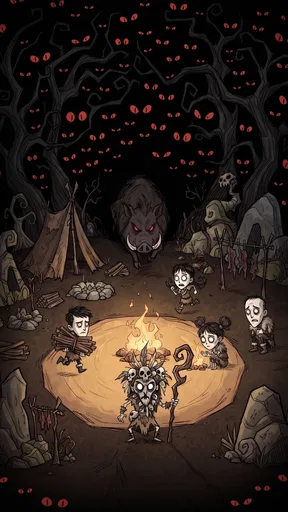
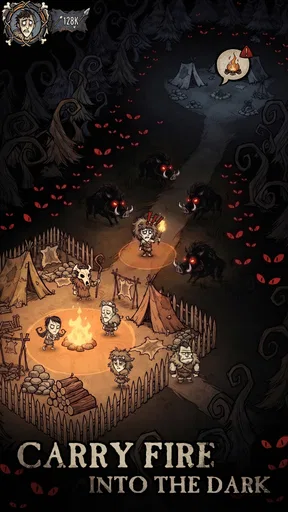
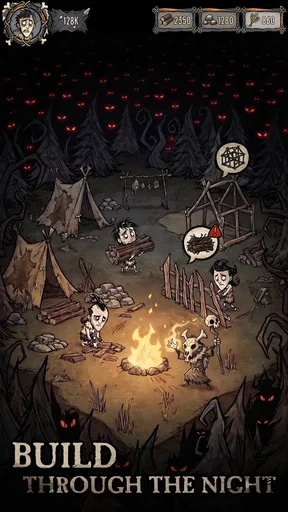
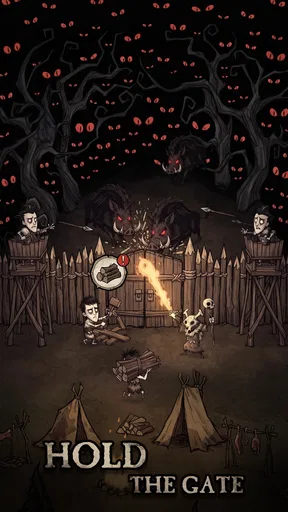
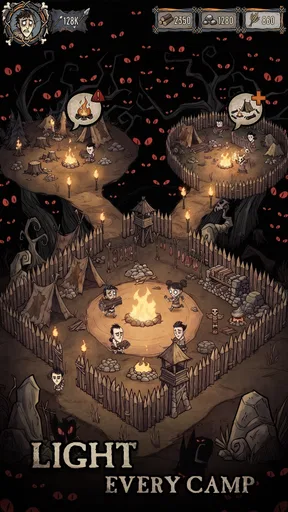

 Analysis by AppCompare
I like strategy games that make their central decision clear quickly: choose what to do, see the result, then decide whether to push your luck or change course. Age of Spirits is built around a more atmospheric promise, putting you in charge of a tribe facing a dark threat. That premise gives each choice a sense of purpose, but it also sets an expectation: the game needs to make its strategic decisions legible, not just dress them in fantasy language.
My overall take is that this is a free strategy game worth considering if you enjoy guiding a group through danger and want a setting with a supernatural edge. It is less suited to someone looking for a very specific kind of strategy experience, such as a deep competitive ladder or a tightly scripted story. The most useful question before installing is whether you enjoy the repeated process of taking action, reading the outcome, and deciding what deserves attention next.
Taking the first step into the tribe’s struggle
I’ll look at what makes the tribe’s conflict a useful starting point, and how I would approach the opening without rushing through it. In a strategy game, a little patience at the outset can make later choices easier to judge; I focus on finding one clear objective before deciding whether to continue.
A clear premise, with room for personal pacing
The game’s central idea is easy to grasp: you lead a tribe against a threatening force. That is a helpful starting point for a strategy game, because it gives the player a reason to weigh decisions rather than simply tap through a series of unrelated activities. I found the theme most appealing when I treated each session as a small attempt to improve the tribe’s position, rather than expecting a dramatic story beat every time I opened the game.
That distinction matters for newcomers. A broad fantasy conflict can create a strong mood, but the enjoyable part of a strategy game is usually the connection between a choice and its consequence. When deciding whether this one fits you, pay attention to whether you like planning around a shared goal. If you prefer a game that immediately tells a personal story through characters and dialogue, this may not scratch the same itch.
Age of Spirits is a strategy game from LeyiGames. Its short store label is “Age of Spirits,” while its longer pitch centers on leading a tribe through a conflict with darkness. I would describe its appeal as the combination of group leadership and fantasy pressure: the challenge is framed as something the tribe faces together, rather than as a detached puzzle with no setting.
What to look for in the opening decisions
When starting a strategy game, I try not to spend the first session chasing every visible objective. A better approach here is to identify the action that most clearly advances the tribe’s position, then watch what changes afterward. That simple habit helps separate meaningful decisions from busywork and gives you a baseline for judging whether the game’s feedback is satisfying.
Worth Reading Before You Choose

Baby Panda World Brings Quick Play to Modern Phones, but Its Game Library Feels Busy

ESPN’s Live Game View Makes Following Close Games Easier

QuizzLand Review: A Good Fit for Short Trivia Breaks, Not Every Player

Basketball Stars: Multiplayer Is Fast, but Can It Recover When Matches Go Wrong?

WEBTOON Turns Phone Updates Into a Better Reading Routine

Link to Windows Runs on Shared Habits, Not Social Feeds
It is also worth resisting the urge to treat every setback as a signal to restart. In a game framed around a struggle against a larger threat, an imperfect outcome can be useful information: it shows which part of your approach needs more attention. I prefer to make one deliberate adjustment on the next attempt rather than change several things at once. That makes the result easier to understand, and it gives each session a clearer purpose.
For a realistic everyday use case, imagine opening the game during a short break and wanting to make one worthwhile decision before returning to other tasks. I would focus on a single goal, carry it through, and stop once I have enough feedback to decide what to try next. This is a more satisfying way to use a strategy game in brief visits than tapping around without a plan and closing it without knowing what changed.
Choosing a useful stopping point
Short sessions work best when I decide in advance what would count as a complete visit: one meaningful action, an outcome I can interpret, and a clear next thought. That does not require treating every result as a victory. It simply gives the session a boundary, which is helpful when a game makes it easy to continue out of habit rather than because I have a new plan.
If you are fitting play around errands or a commute, I would avoid beginning when you cannot give the outcome any attention. Strategy is less satisfying when you tap through and later cannot remember what changed. A brief visit with one question in mind—what helped the tribe, or what should I alter next time?—is more useful than a longer unfocused one.
How the action-and-feedback rhythm holds up
Here I’ll focus on the link between an action and its consequence, since that is what makes a strategy loop feel thoughtful rather than repetitive. I also consider a practical habit for short visits: change one part of a plan at a time, so the next outcome gives you something useful to learn.
Watch the result before changing your plan
The core loop that makes sense for this premise is straightforward: take an action for the tribe, see how the situation responds, gain whatever progress the attempt earns, then decide whether to repeat the approach or revise it. The important part is the feedback between action and reward. If you can tell why an outcome happened, even a modest gain can feel earned; if the connection is unclear, progress risks feeling like a meter moving for its own sake.
My practical advice is to change one decision at a time when an attempt falls short. That is a small but useful discipline in strategy games: it helps you learn whether the adjustment mattered, rather than leaving you with a muddled result. It also keeps the game from becoming a sequence of impulsive corrections. The tribe-versus-darkness framing gives this experimentation a thematic reason, but the player still benefits most from careful observation.
A second non-obvious tip is to treat rewards as information, not just prizes. Ask what the reward encourages you to do next. Does it make a particular approach more attractive, or does it simply let you continue? That question can help you decide whether to invest your attention in another round immediately or take a break and return with a fresh plan. It is especially useful when a game’s short-term rewards make it tempting to keep playing without considering the longer-term goal.
Strategy rather than spectacle
Compared with action-heavy fantasy games, the appeal here is not simply reacting quickly to what appears on screen. I would recommend it to players who enjoy pausing to think about priorities and who find satisfaction in gradually improving a plan. Someone who wants immediate, hands-on combat or a primarily narrative adventure should look for a different style of game; the strategy framing is the main reason to try this one, not an incidental feature.
It also occupies a different space from a traditional board-game-style strategy title. Those games often emphasize transparent rules and a self-contained contest. Age of Spirits instead asks you to engage with a fantasy setting and the ongoing idea of leading a tribe through danger. If you want every match to feel like a clean tactical puzzle, a more explicitly competitive or turn-based alternative may suit you better. If you like the sense of managing a continuing struggle, this premise is a more natural fit.
One limitation to keep in mind is that an atmospheric theme cannot, by itself, make every repeated action interesting. The game needs the decisions and their consequences to remain engaging over time. I would not recommend it solely because the setting sounds appealing; I would give the early sessions a fair test and ask whether I am learning something from each attempt. If the answers begin to feel interchangeable, that is a sign the loop may not suit your preferences.
Who benefits from this kind of strategy
This is most appealing to players who like a continuing objective more than a neat match that ends with a winner and loser. If you enjoy thinking about how one choice should shape the next, the tribal conflict gives that habit a setting to work within. It can also suit someone who wants a fantasy mood without relying on fast reactions as the main source of tension.
By contrast, a player who wants fully transparent tactical rules should compare it with a board-game-inspired strategy title before settling in. Those alternatives can be easier to evaluate move by move. And if your ideal fantasy game is an unfolding story, a narrative adventure is likely to provide a more direct payoff than a loop built around strategic attempts.
Rewards, spending, and deciding when to stop
This section considers how rewards can guide the next decision without becoming a reason to play or spend automatically. I’ll also explain how I set a stopping point: once I understand the result and have a sensible next move in mind, I can leave the next attempt for another session.
Free to begin, with optional purchases
The game is free to download, while in-app purchases range from $0.99 to $99.99 per item. That spread is worth knowing before you begin, especially if you are careful about spending in mobile games. I would start with a clear personal limit, or decide in advance that I will play without buying anything. A purchase price appearing in a game does not automatically make it necessary, but setting a boundary early makes it easier to judge the experience on its own merits.
For a player who prefers to explore before spending, the sensible workflow is to play naturally first and notice whether a purchase would solve a frustration you actually have. Do not buy simply because a reward has made the next step feel urgent. Step away, then ask whether the item would make the game more enjoyable over time or merely remove a moment of impatience. That distinction is useful in any game with optional purchases, and particularly in a strategy game where thinking through a choice is part of the appeal.
Rewards can also act as a natural stopping point. Once an attempt has produced a result and you understand what you would change next, you do not have to begin another session immediately. I like this approach because it turns stopping into part of the loop: the action is complete, the feedback has been read, and the next plan is ready for later. If a game only feels rewarding when you keep going without pause, it can be harder to fit into a balanced routine.
Who should make room for it?
I would put this on the shortlist for players who want a fantasy-themed strategy game, enjoy leading a group toward a shared objective, and are comfortable learning by testing a plan. It may also suit someone who likes to return to a game in short visits, provided each visit gives them a clear decision to make. The strongest use case is not filling every spare minute; it is having a small strategic challenge ready when you want to think through a choice.
I would steer away from it if you mainly want a polished, standalone story, a fast reflex test, or a clearly defined competitive match. It is also a poor fit for anyone who dislikes optional purchase offers in free-to-play games, even when they can choose not to spend. Those preferences are not flaws in the player; they simply point toward a different kind of game.
Keeping the purchase decision separate from progress
One practical way to keep the free-to-play structure comfortable is to separate the question “Am I enjoying this?” from “Would I pay to move ahead?” Try to judge the strategy loop on its own before treating a purchase as a shortcut. If the decisions are already satisfying, there is less pressure to spend just to validate the time you have invested; if they are not, paying is unlikely to fix the basic mismatch.
This approach is particularly helpful for younger players and families, since the Teen rating makes the audience context clear while the optional purchases still deserve a conversation about limits. I would agree on a spending boundary before handing over a device, rather than making that decision in response to an in-game prompt.
Compatibility, audience, and the final loop verdict
Age of Spirits is rated Teen, runs on Android 7.0 or later, and is currently at version 1.1.0. Its audience figures show an average rating of 4.5 from around 13,000 ratings, with over 100,000 installs. Those numbers suggest that it has found an audience, but I would treat them as context rather than a substitute for matching the game to your own tastes. A large player base cannot tell you whether you prefer strategic planning to action or story-led play.
The game’s strongest reason to return is the simple promise of another attempt: make a choice for the tribe, see how the world answers, take the reward as a clue, and decide whether to adjust your approach. That loop works best when you stay curious about why an outcome happened. It works less well if you want every session to deliver a major story revelation or a completely new kind of challenge.
My recommendation is measured but positive. I would try Age of Spirits if the idea of guiding a tribe against a supernatural threat sounds appealing and you enjoy strategy games that reward patience. I would keep spending optional, test whether the early decisions hold my attention, and use each result to shape the next visit rather than playing on autopilot. If the action-to-feedback connection clicks for you, it has a clear reason to earn another session; if you need faster action or a more defined narrative, another genre will probably be a better use of your time.
Pros
- Distinctive spirit-themed setting gives the game a memorable identity.
- A good fit for players who enjoy supernatural adventures.
- The title offers a change of pace from realistic action games.
- Its fantasy premise leaves room for intriguing world-building.
- May appeal to fans looking for an atmospheric gaming experience.
Cons
- The spirit-focused theme may not suit every player.
- Fantasy settings can feel familiar to genre veterans.
- The title alone gives little indication of the gameplay style.
- Players seeking a realistic or grounded experience may be disappointed.
- Its appeal may depend heavily on how much you enjoy supernatural themes.
FAQs for Age of Spirits
What kind of game is Age of Spirits?
Age of Spirits is a fantasy-themed mobile game built around exploring a magical world, developing characters, and taking part in battles. Its exact features and gameplay may differ between versions or platforms, so check the current store listing and screenshots before downloading. That will help you confirm whether the available version focuses on role-playing, strategy, collection, or another style of play.
Is Age of Spirits free to download and play?
The price and payment options can vary depending on the platform, region, and current store listing. Before installing, check whether Age of Spirits is free to download and whether it offers in-app purchases, subscriptions, or paid content. A free download does not necessarily mean every feature is free, so review the purchase details and parental controls if children may use the device.
Can I play Age of Spirits offline?
Offline access depends on how the game handles its account, content, and online features. Some mobile games require an internet connection to load the world, save progress, or participate in events, while others allow limited play offline. Check the game’s store description and, if possible, its settings before relying on it for travel or situations where a stable connection is unavailable.
What devices are compatible with Age of Spirits?
Compatibility depends on the version available for your device, its operating system, and the game’s minimum hardware requirements. Before downloading, confirm that Age of Spirits appears in the official Google Play or Apple App Store listing for your device. Also check the required OS version and available storage space, as updates and additional game data may need more room than the initial download.
Is Age of Spirits suitable for children, and does it include purchases?
Suitability depends on the game’s current age rating, themes, chat or social features, and purchase options. Read the rating and content information on the official store page before allowing a child to play. If the game includes in-app purchases or communication with other players, consider enabling purchase restrictions, reviewing privacy settings, and discussing safe online behavior with younger players.


